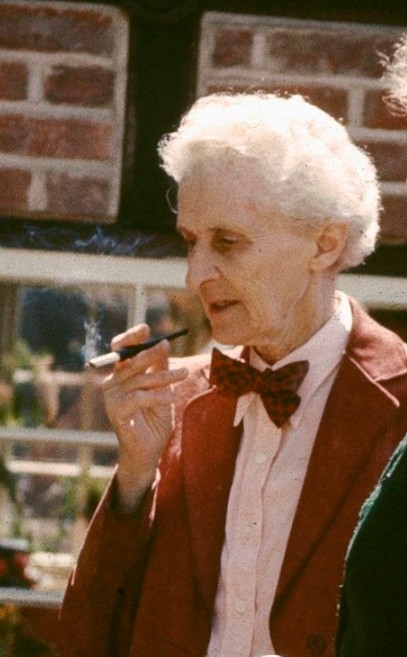
A century ago, my great-aunt, Marion Edith Burdett (1883 to 1971), began researching her family tree.
One of my earliest memories is of the four-year-old me attending her funeral. I was too young to understand the full shape of her life, but somehow she remained present in the family story.
I do not know exactly how Marion researched her family tree, but it must have involved patience, persistence, handwritten letters, archive visits, and more than a little detective work. Around 1933, she had the family tree printed. We still have one of those prints today, framed in our hallway.
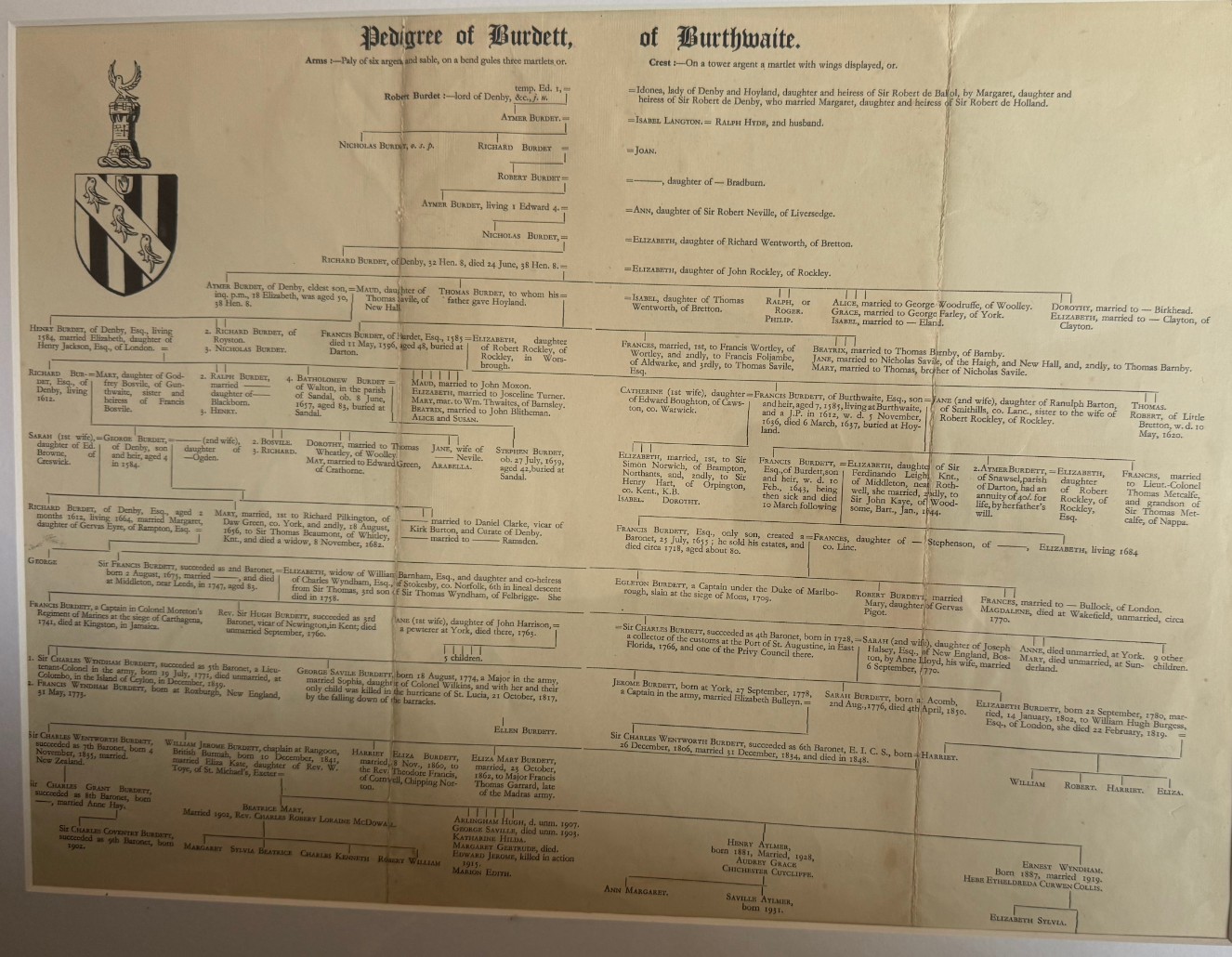
Every year, my cousins come to stay with us for our family Clan Day. Last year, we took Marion's old family tree down from the wall and gathered around the kitchen table with it. We talked about lost relations, half-remembered stories, and the little fragments of memory that somehow survive across generations.
That evening planted the idea.
For the next Clan Day, I wanted to update Great Aunt Marion's tree, creating a new version enriched by the additional generations and discoveries made possible by modern genealogy tools.
But when I set out to do this, I soon discovered that printing a family tree is not an easy thing to do. To complicate it further, I did not want just a conventional tree diagram. I wanted to show the family across time: each life represented as a bar on a shared timeline, so you could see not only who belonged to whom, but who lived alongside whom.
I wanted to see family history not just as a hierarchy, but as lives unfolding together. And I wanted it to be beautiful: worth framing, worth hanging on the wall, and worth keeping for future generations.
There seemed to be no way to do that. So I began creating one.
As the idea developed, I realised TreeLine was not only for genealogy enthusiasts. It could also be for anyone who wants a beautiful new way to celebrate family: at weddings, anniversaries, births, rites of passage, reunions, or in memory of loved ones whose stories deserve to be carried forward.
And so TreeLine was born.
Our philosophy is still inspired by my Great Aunt. As TreeLine has grown, I have aimed to make it feel hand-crafted, as if it had been produced by a skilled and diligent great-aunt.
That also means restraint. TreeLine should not feel like a confusing maze of features, settings, and options. It should be a curated experience: thoughtful, guided, and calm. The choices should help reveal the family story, not overwhelm it.
Most of all, a TreeLine should feel like an heirloom in the making. Marion's tree has lasted a century because it was not just information on paper; it became part of the family. It lived on a wall, started conversations, held memories, and waited patiently for the next generation to gather around it.
That is what we want TreeLine to do too.
Marion was not only a diligent family historian; she was also a skilled woodworker, with a strong eye for style. A TreeLine should carry something of that spirit. It should feel carefully made. It should be beautiful enough to live on a wall. It should stand out, just as she did herself.